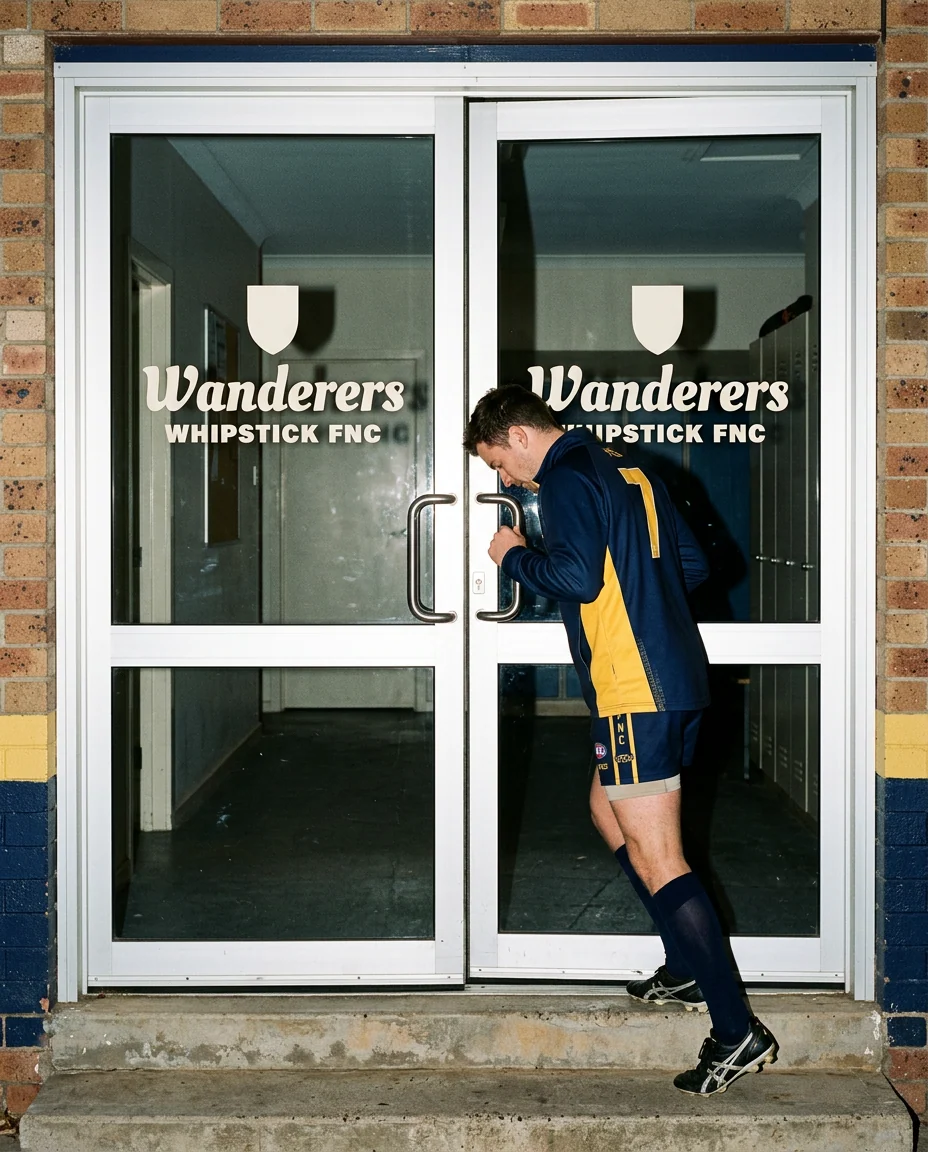
It should be simple: pick a design, choose colours, send sizes, and everyone turns up looking like a team. In reality a club order can turn into last-minute texts, mystery sizes and one lonely box of leftovers nobody wants.
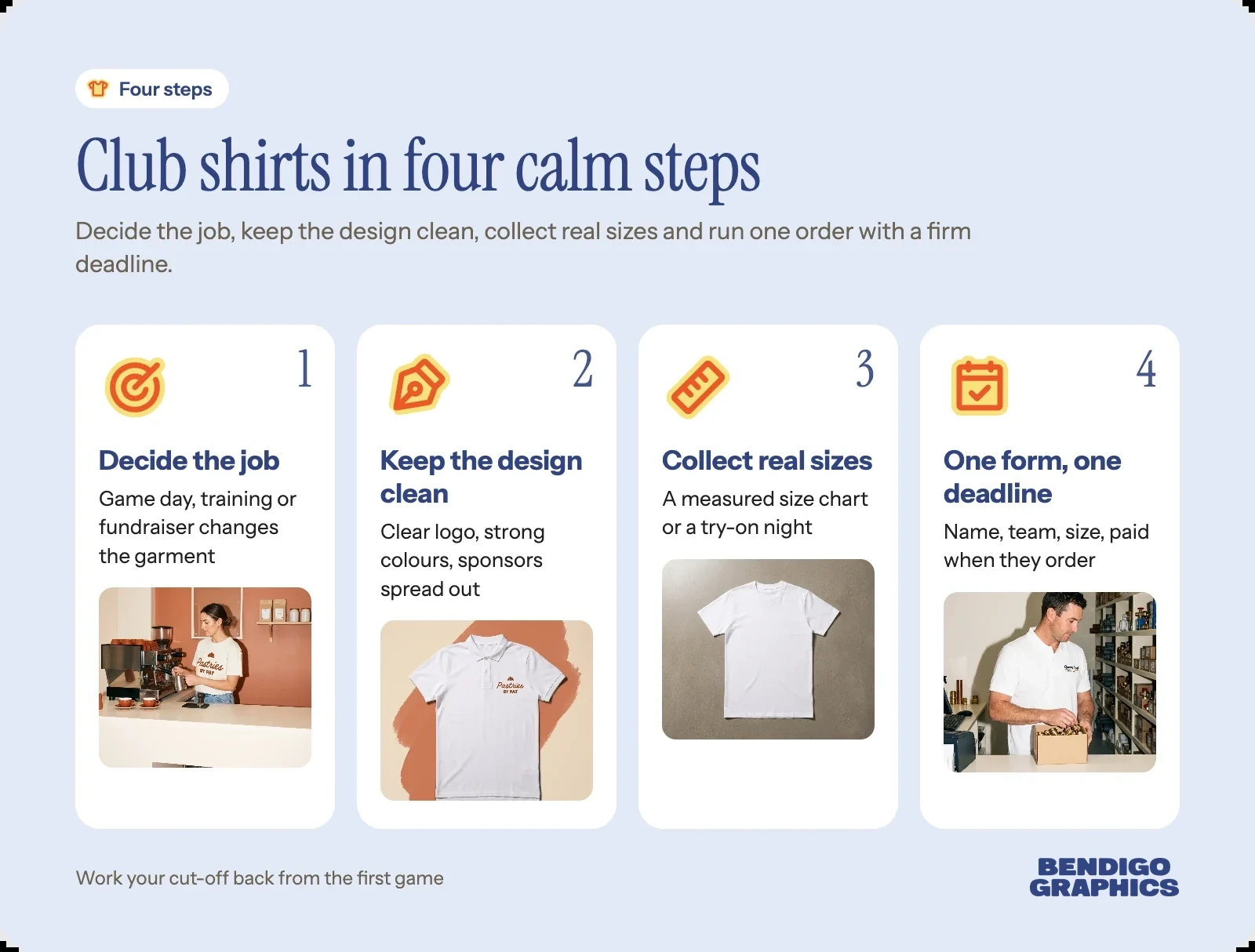
This is how we help clubs order club shirts in Bendigo and around Central Victoria without it eating the committee’s weekends: a clear purpose, a simple design, real sizes and one order process with a firm deadline.
Start with what the shirts are for
Before you look at garments, work out the job. Game day, training, fundraising, or all three? One season or a few years? Sharp enough for team photos, or mainly built to survive mud, sweat and the changerooms?
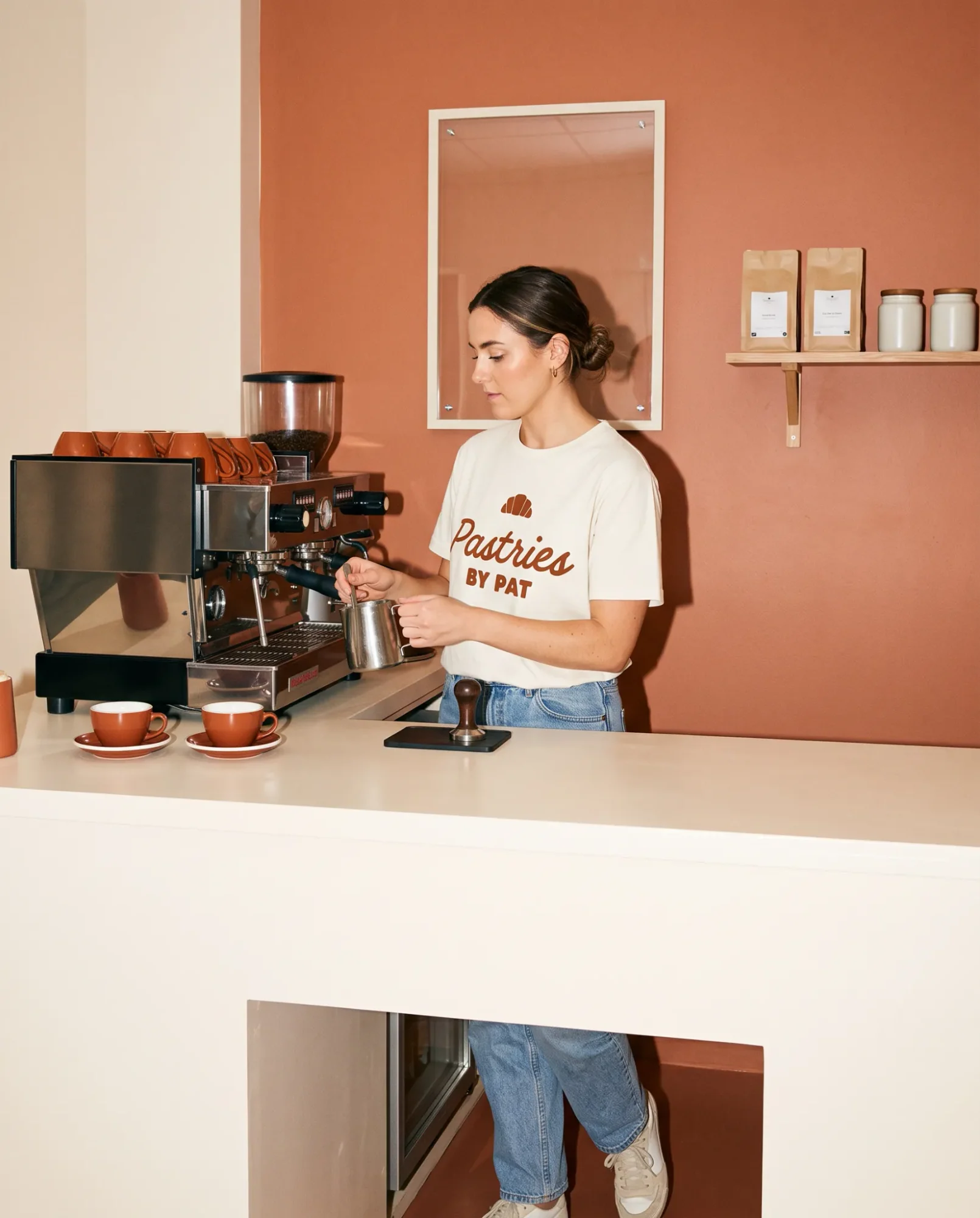
Game day and events: better fabric, a clean print and a design that photographs well.
Training: more relaxed and hard-wearing.
Fundraiser tees: simpler again, priced so supporters are happy to buy.
Once you know the purpose, style, fabric and budget decisions get much easier.
Keep the design simple and proud
Every club has seen an over-designed shirt: ten logos, three gradients and numbers you cannot read from the boundary. A good club shirt does three things. It shows who you are, it feels like your colours and culture, and it reads from a distance.
Sponsors do not all need to be on the front. Spread them sensibly between front, back and sleeves, and keep each one sharp so they look like real partners, not clip art. A cleaner design prints better, ages better, and people are more likely to wear it off the field too.
Before you order: ask for your logo as a vector file (Illustrator .ai, EPS, SVG or PDF), not a screenshot or a photo of last year’s shirt. Sponsors can usually send theirs the same way.
If your logo artwork is rough, get it tidied before you print. Our guide on whether you need a logo for commercial printing explains what a print-ready logo looks like.
Choose fabric for how you play
Cotton feels good for casual wear but gets heavy when everyone is sweating through a Saturday game. Breathable sports fabrics suit playing kit, while heavier cotton or blends are great for off-field merch and committee wear.
Think about the sport and the season. Summer netball wants light, breathable fabric. Winter footy might need something that layers over thermals. A school music group may be happiest in a neat polo that looks smart on stage.
For playing kit, look at sports polos and singlets. For committee, volunteers and supporters, a pique polo or a classic tee in club colours does the job. Full colour logos are printed with DTF transfers, which suit the small runs most clubs order.
How do we get sizes right without guessing?
Sizing is where most club orders go sideways. Guessing sizes for a whole team is a sure way to end up with unworn shirts and disappointed players.
Share a size chart with real measurements, not just S, M and L.
Run a quick try-on at training or a meeting if you can get samples. One night of organised chaos beats a season of “this doesn’t fit”.
Remind everyone once or twice before the cut-off.
For juniors, build in a little growing room and say so in your message. Parents would rather a roomy shirt than one that is tight by round three.
Club shirts in Bendigo: set one order process and a deadline
A club order falls apart when it lives in five inboxes and three committee members’ heads. Pick one method (an online form, a shared spreadsheet or paper order slips) and stick to it. Every order should capture name, team, size and quantity.
If you want individual names or numbers, raise it at the start, because it changes how the order is collected and set up.
Set a firm deadline and explain why it matters. Decide upfront what happens to late orders: a small second run later, or wait for the next order. Collect payment when people order, not after, so nobody is chasing money while sorting deliveries.
Rule of thumb: work your cut-off date back from the first game, not forward from when you start collecting sizes. Leave room for a proof round and a few late stragglers.
Work back from your first game
A planning guide. Allow more time for big or named orders.
- 8 weeksAgree what the shirts are forGame day, training, fundraising or all three.
- 7 weeksSettle the design and sponsorsAsk the club and sponsors for vector logos.
- 6 weeksShare the size chart and run a try-onReal measurements, with growing room for juniors.
- 5 weeksOpen orders with one formName, team, size and quantity, paid when they order.
- 4 weeksOrder cut-offRemind everyone once or twice before it closes.
- 3 weeksProof roundCheck names, numbers and sponsor logos.
- 2 weeksShirts being madeAllow the estimated turnaround shown on the product page.
How many should we order?
More is not always better. Think about:
How many confirmed orders you have.
How many spares you realistically need for new members and size swaps.
Whether the design will carry into next season or change.
A few extras in the common sizes save headaches. Three boxes of random sizes in the storage cupboard is money you did not need to spend. Live pricing on each product page shows how the total changes with quantity, so you can find the sensible number. Our guide on how many shirts to order for a team goes deeper.
If you are trying a new garment, start with a smaller run, see how it wears and washes, then top up.
Keep members in the loop
Parents, players and volunteers are busy. Keep updates short: what is being ordered, what it costs, the deadline and how to pay. Add one line on why it matters, and share a mock-up so people can see what they are getting.
Once the order is placed, one or two short updates stop the “any news?” messages. For more on this, see making school and club printing look professional.
Club shirt order checklist
Tick it off as the committee goes.
Before orders open
While orders are open
Before you approve
Ready to order?
Bring your logo, colours, sponsor details and rough numbers, and we will help you land on shirts people are proud to wear. Browse our apparel range, with live pricing on every product page, or pick up the finished order from Lyttleton Terrace.