Better cotton, from the farm up.
Every tee, hoodie and tote we print starts as cotton. Ours comes through AS Colour, a member of the Better Cotton Initiative, the largest cotton sustainability program in the world.
Better Cotton member
2.4 million farmers trained
Almost a quarter of the world's cotton
Mass balance sourcing
2030 targets
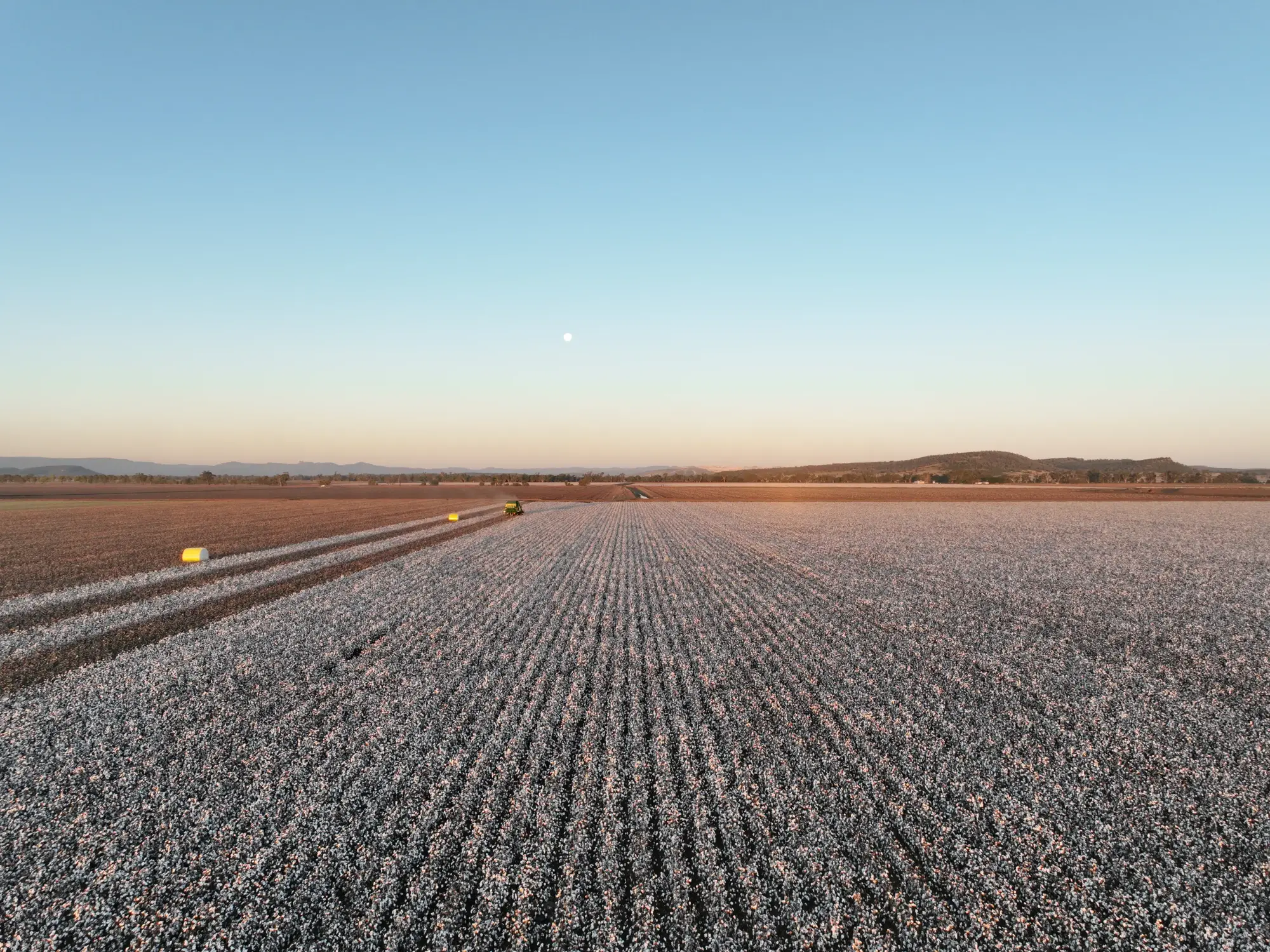
The standard
Best practice starts at the source.
Better Cotton trains farmers to grow cotton in a way that is better for the people who grow it, better for the land and better for the industry’s future.
Water
Farmers learn to use water more efficiently, in a crop known for needing a lot of it.
Soil and habitat
Training covers soil health and caring for the natural habitat around the farm.
Fewer harmful chemicals
Farmers are shown how to cut back on harmful pesticides and other chemicals.
The people who grow it
Workers’ rights and wellbeing are part of the standard, with a focus on women’s equality, economic independence and leadership in cotton farming.
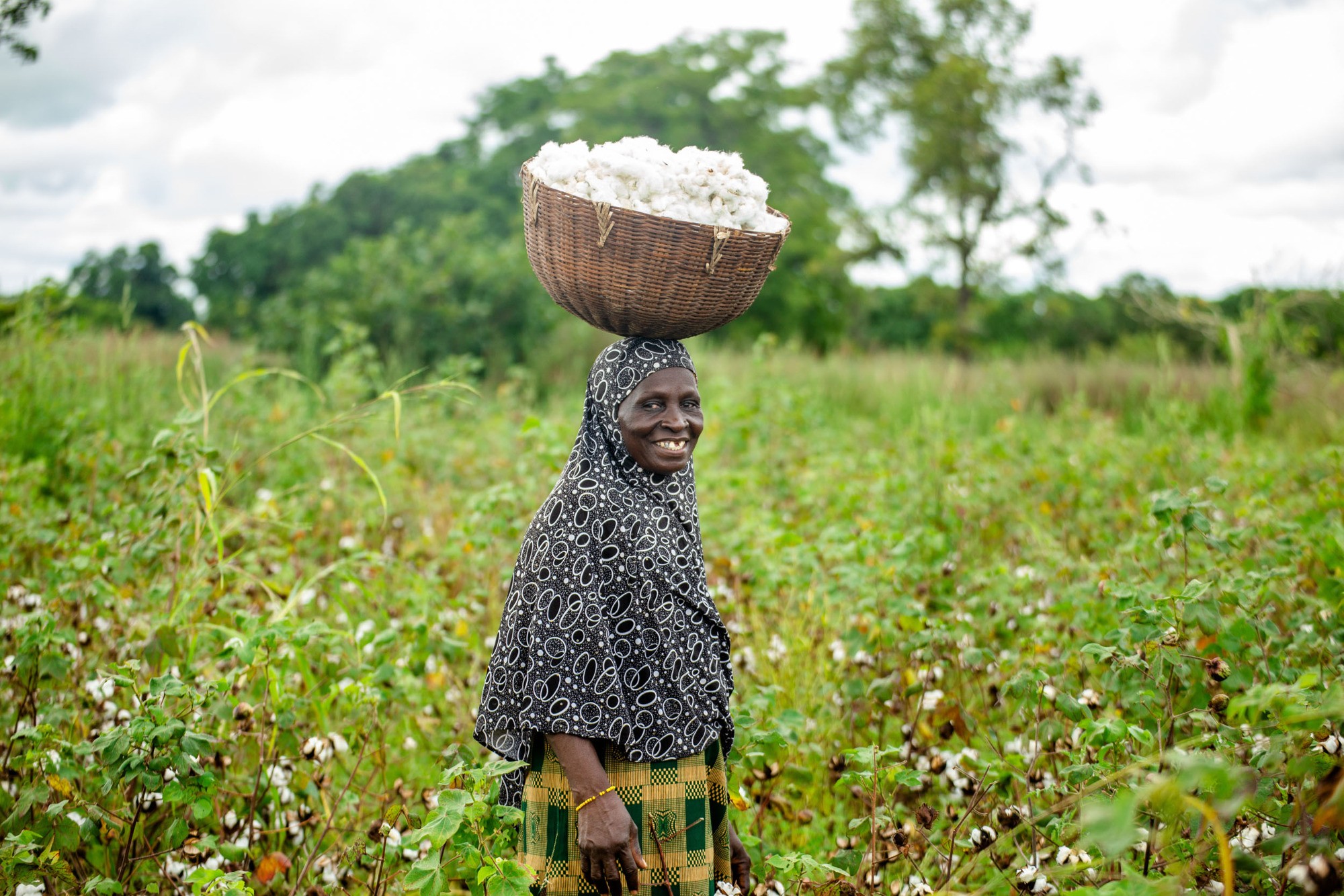
How it reaches your order.
Better Cotton is bought through a chain of custody called mass balance. Here is what that means, plainly.
The cotton in one garment can’t be traced back to a single Better Cotton farm.
For the Better Cotton our garment supplier buys, the same volume is grown to the standard, so the farmers benefit from the demand.
Almost a quarter of the world’s cotton is now grown under the Better Cotton Standard.
2.4 million cotton farmers have been trained and are licensed to grow Better Cotton.
We say this plainly because a claim is only worth something when it is clear about what it covers.

Last year
What last year’s cotton saved.
These are AS Colour’s own estimates for the Better Cotton in its sourcing over the past year.
137,394,094 litres
An estimated amount of water saved.
189 kg
An estimated 189 kg of pesticide active ingredient avoided.
Half by 2030
Better Cotton’s target is to cut greenhouse gas emissions per tonne of cotton by 50%.
Where it's heading
Five areas to 2030.
Better Cotton’s 2030 strategy works on climate change, soil health, pesticide use, smallholder livelihoods and women’s empowerment. We will keep this page up to date as our suppliers report.


