Tested for harmful substances.
Every factory that makes the garments we print on holds OEKO-TEX Standard 100 certification, so what touches your skin has been tested for chemicals that do not belong there.
OEKO-TEX Standard 100
100% of suppliers certified
Tested since 1992
Every part of the garment
Checked on site
The standard
What the test looks for.
OEKO-TEX is recognised around the world for testing textiles for harmful substances, including chemicals that are not yet regulated.
Pesticides and heavy metals
Garments are tested for pesticides and heavy metals that can stay in fabric.
Formaldehyde and surfactants
Limits cover formaldehyde and surfactants that have no place in something you wear.
Every part of it
To be certified, every part of the product has to meet the criteria, not just the main fabric.
Checked in person
Certified companies are visited on site regularly, not just tested once.

Rules it keeps up with.
The standard is reviewed every year and lines up with the chemical rules in the markets garments are sold in.
Banned azo colourants, formaldehyde, pentachlorophenol, cadmium and nickel, with limits reviewed every year.
The US Consumer Product Safety Improvement Act (CPSIA) and California’s Proposition 65.
PFAS rules, for the long-lasting chemicals used in some water repellents.
Europe’s REACH regulation and ECHA’s list of substances of very high concern.
OEKO-TEX Standard 100 has been a benchmark for textile safety since 1992.
On your order
Why it matters on a print job.
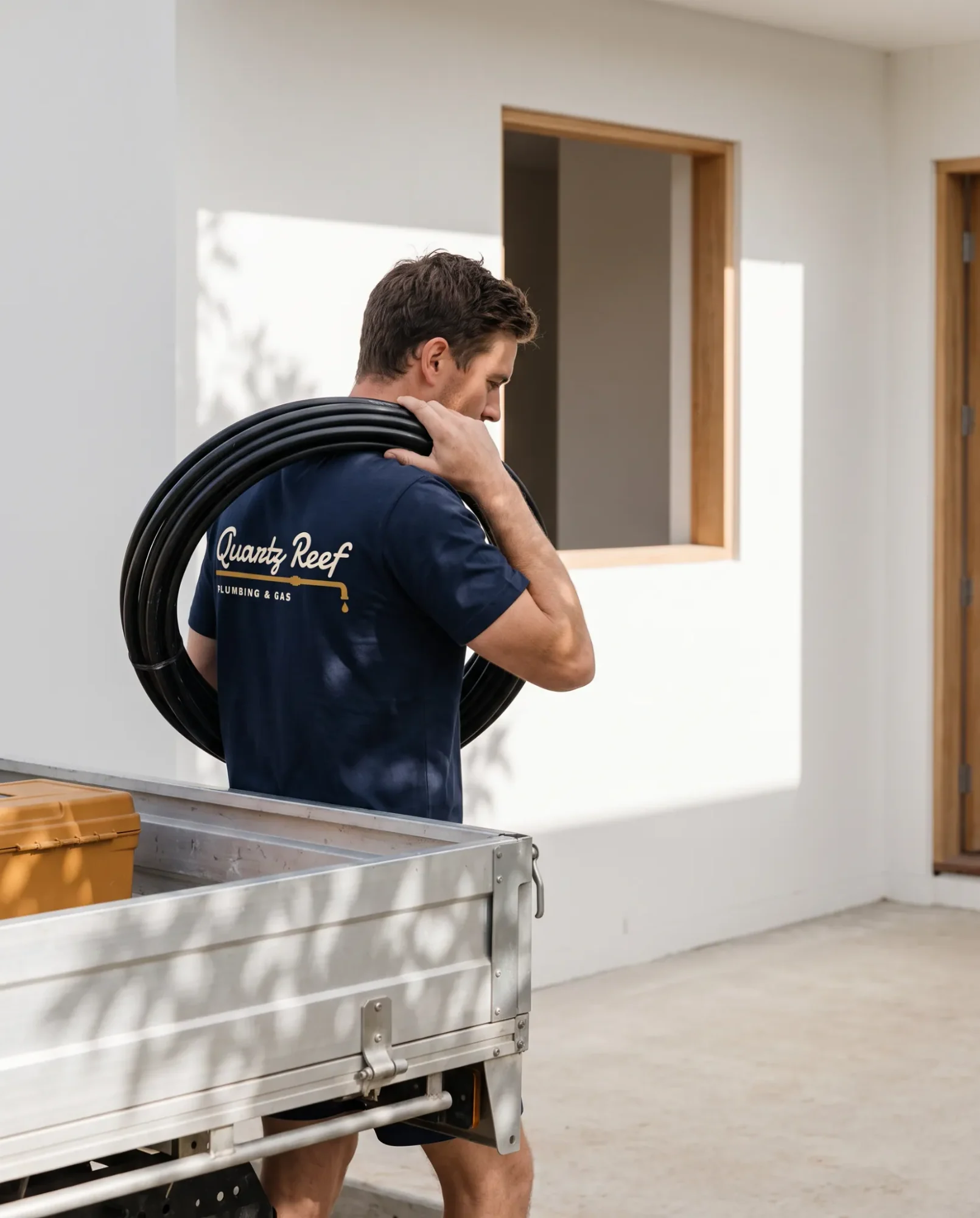
A printed garment is worn against the skin, often all day, by staff, teams and kids. Starting from a certified blank means the garment itself has already been tested.
Uniforms worn all day
Staff wear the same shirt for a full shift, week after week.
Kids and babies
Our kids’ and infant tees come from the same certified factories.
The finished garment
Testing covers the product as it is made, not just the raw cotton.
Our standards
One part of the picture.
OEKO-TEX covers what is in the fabric. How the people who make it are treated is covered by amfori BSCI, and where the cotton comes from by Better Cotton.


