Not every team needs the same shirt. When you are choosing work shirts for tradies and service crews, hi-vis, polos and tees each suit different jobs, budgets and comfort levels. The right choice depends on where your team works and who sees them doing it.
Here is how to decide, starting with the one choice that is not really a choice.
Which work shirts do tradies need?
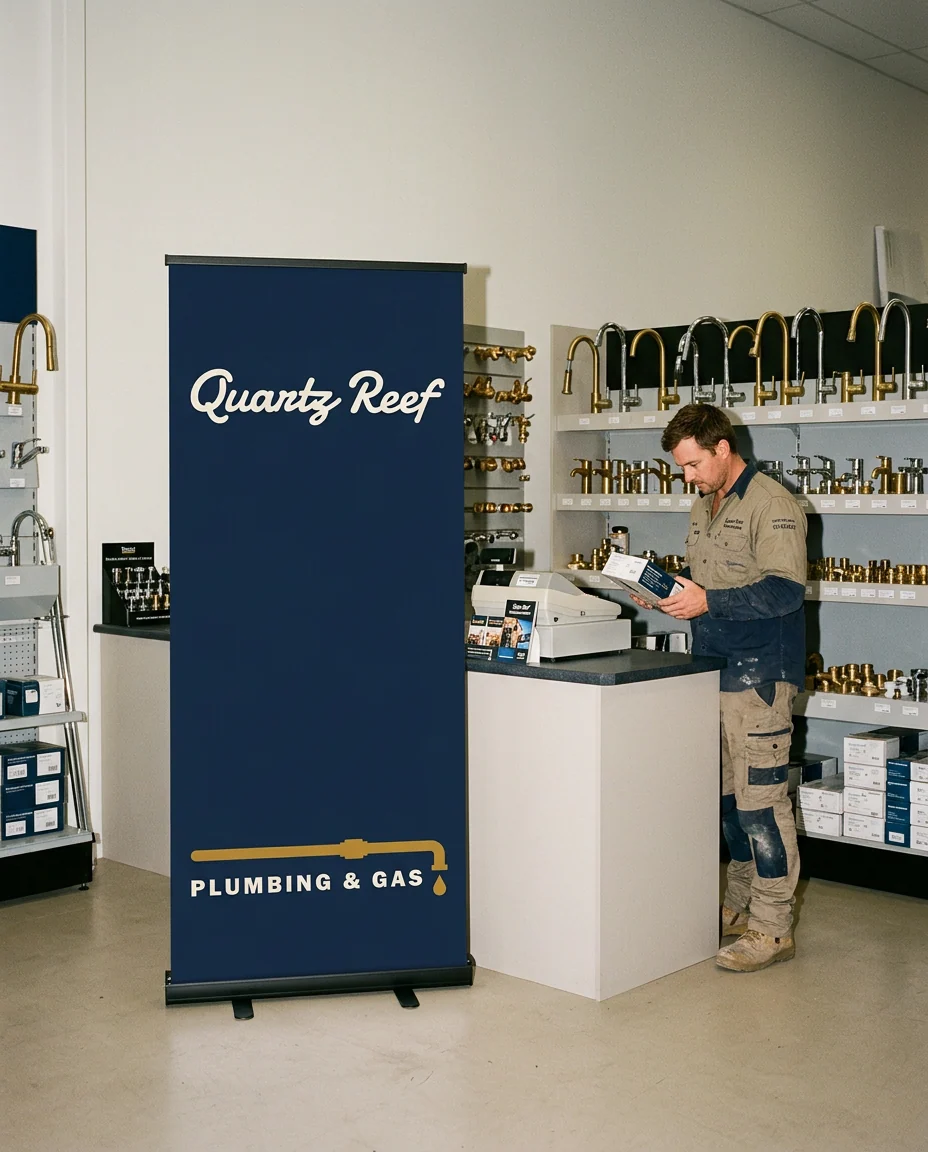
Work through it in order. If your crew works near traffic or moving machinery, start with hi-vis. If they meet clients, in their homes or at reception, look at polos. For physical work, heat, events and merch, tees do the job. Plenty of businesses end up with a mix: hi-vis for site days, a polo for quotes and client meetings.
When do you need hi-vis?
If your crew works near traffic, on construction sites, in warehouses or anywhere with moving machinery, hi-vis is not optional. The Australian Standard AS/NZS 4602.1 sets the requirements, and they depend on the work environment: day-only visibility needs different garments from day and night work.
For branding, hi-vis garments have a more limited print area because of the reflective tape and safety requirements. Logos usually go on the chest, back or sleeve, never across the reflective panels. The upside is that a logo on hi-vis stands out, because the base colour is already eye-catching. Hi-vis costs more than standard garments, as the blanks are dearer and the print has to work around the tape, but if your team needs it there is no alternative.
Before you order: check whether your site needs day-only or day and night garments before you choose a style. Taped day and night shirts leave less room for a logo, so plan the artwork around the tape.
When do polos work best?
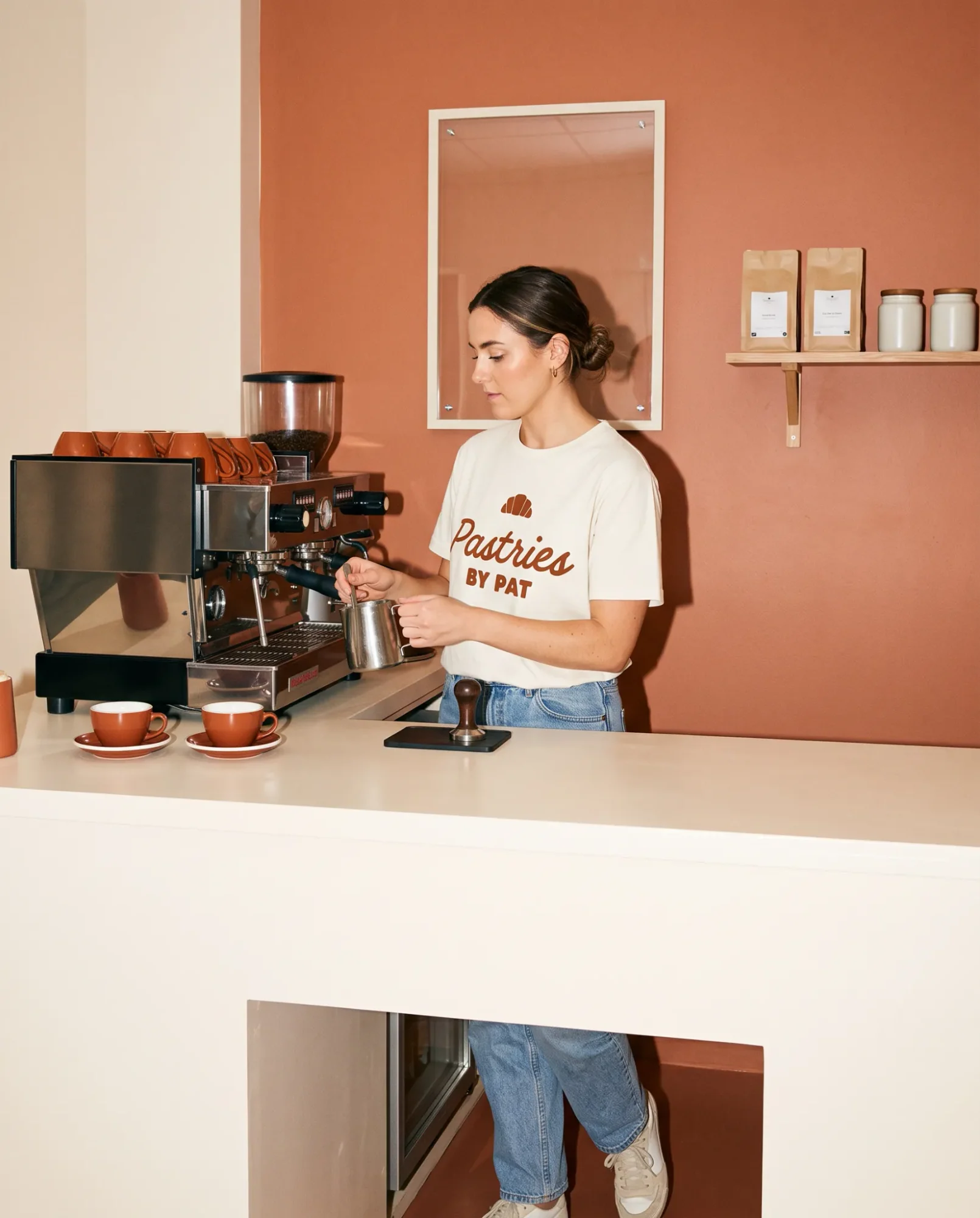
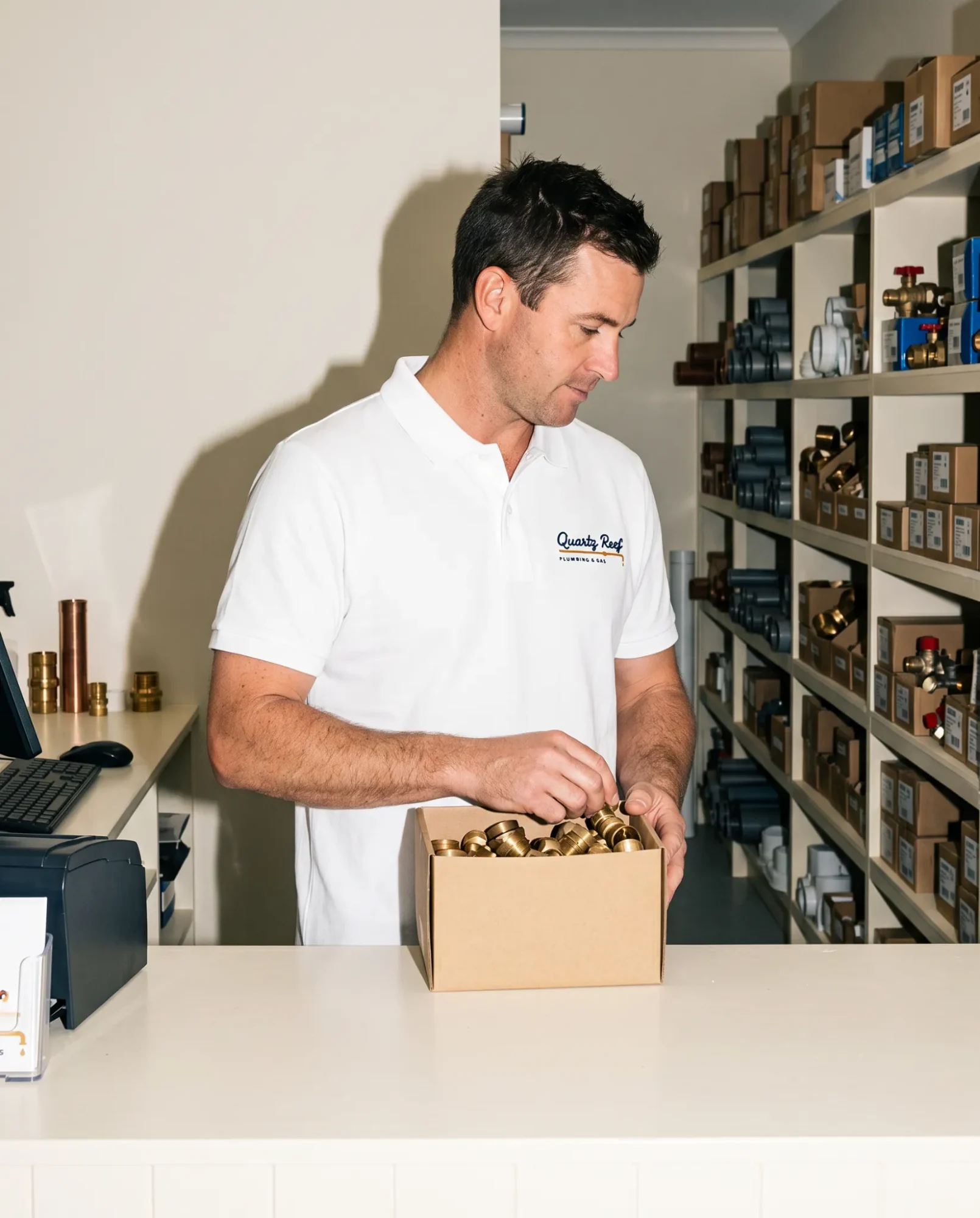
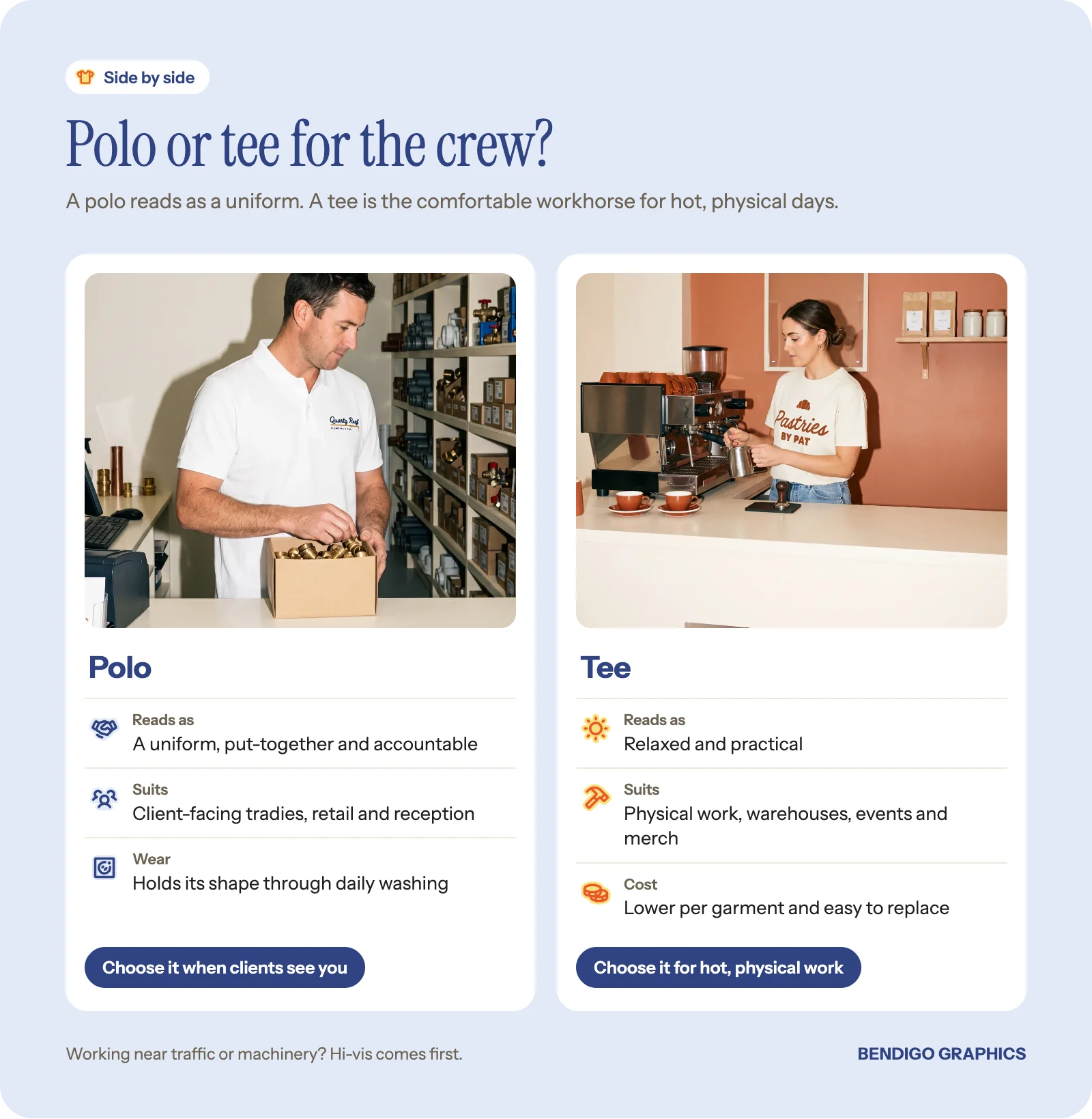
Polos sit neatly between casual and professional. They suit retail staff, reception teams, cafe workers, tradies who meet clients and anyone who needs to look put-together without a button-up shirt.
The collar makes a difference. A branded tee says you have shirts. A branded polo says you have a uniform. For businesses where appearance in front of customers matters, that is usually worth the step up in garment cost. Polos also hold up well to repeated washing and look presentable for longer, so if your team wears the same shirt every day, they are generally the better investment. The Chad polo and work shirts are worth comparing too.
When do tees make sense?
Tees are the workhorse: cheaper per garment, more comfortable in hot conditions and easy to replace. They suit physical labour, warehouse work, events, merch and anywhere a collar would be overkill.
For merch and promotional use, tees are almost always the right call. People wear branded tees on the weekend and at barbecues in a way they will not wear a work polo. Our guide to merch without ordering hundreds covers small runs.
The blank matters enormously. A cheap polyester tee with a great print still feels cheap. A quality cotton or cotton-blend blank with a simple one-colour print feels worth wearing. We use AS Colour blanks as standard across our apparel range, like the Classic tee, because the fit and fabric are consistently good.
Does the print method matter?
It does, for how the shirt feels and what makes sense on your order size.
DTF (direct-to-film): handles full colour, photos and complex designs, and suits small teams and varied designs. The print sits on top of the fabric with a slight feel. Our guide to DTF printing explains more.
Screen printing: the standard for large runs of one design. The ink bonds into the fabric for a smoother feel, but the setup makes it poor value on small orders.
Embroidery: best for simple logos on polos, caps and jackets. There is a one-off setup to turn your logo into a stitch file, after which reorders are straightforward.
Rule of thumb: full colour logo on a small team, DTF. The same simple design across a big run, screen print. A small, simple logo on polos or caps, embroidery.
How many shirts should you order?
For a working team, plan on enough shirts per person to rotate through a work week, plus a few extras in common sizes for new starters and replacements. For merch or events, order on expected attendance or sales, not optimism. You can always reorder, and boxes of dead stock help no one. Our detailed guide to how many shirts to order for your team has more.
Get a couple of people to try the garment in a few sizes before you order for everyone, because sizing varies between styles. For everything else a crew wears, see workwear that lasts on site.
Common questions
Can you put a logo on hi-vis shirts?
Yes, on the chest, back or sleeve, clear of the reflective tape. Taped garments leave less room, so the artwork is planned around the tape.
Are polos or tees better for tradies?
Polos for client-facing work, where looking like a uniform builds trust. Tees for hot, physical work and for merch. Many crews use both.
How long do printed work shirts last?
It depends on the garment, the print and how they are washed. Washing inside out in cold water and skipping the dryer keeps prints looking better for longer.
Kit out the crew: hi-vis shirts are priced live on the product page. Choose your garment, sizes and print, then upload your logo or have us design it.