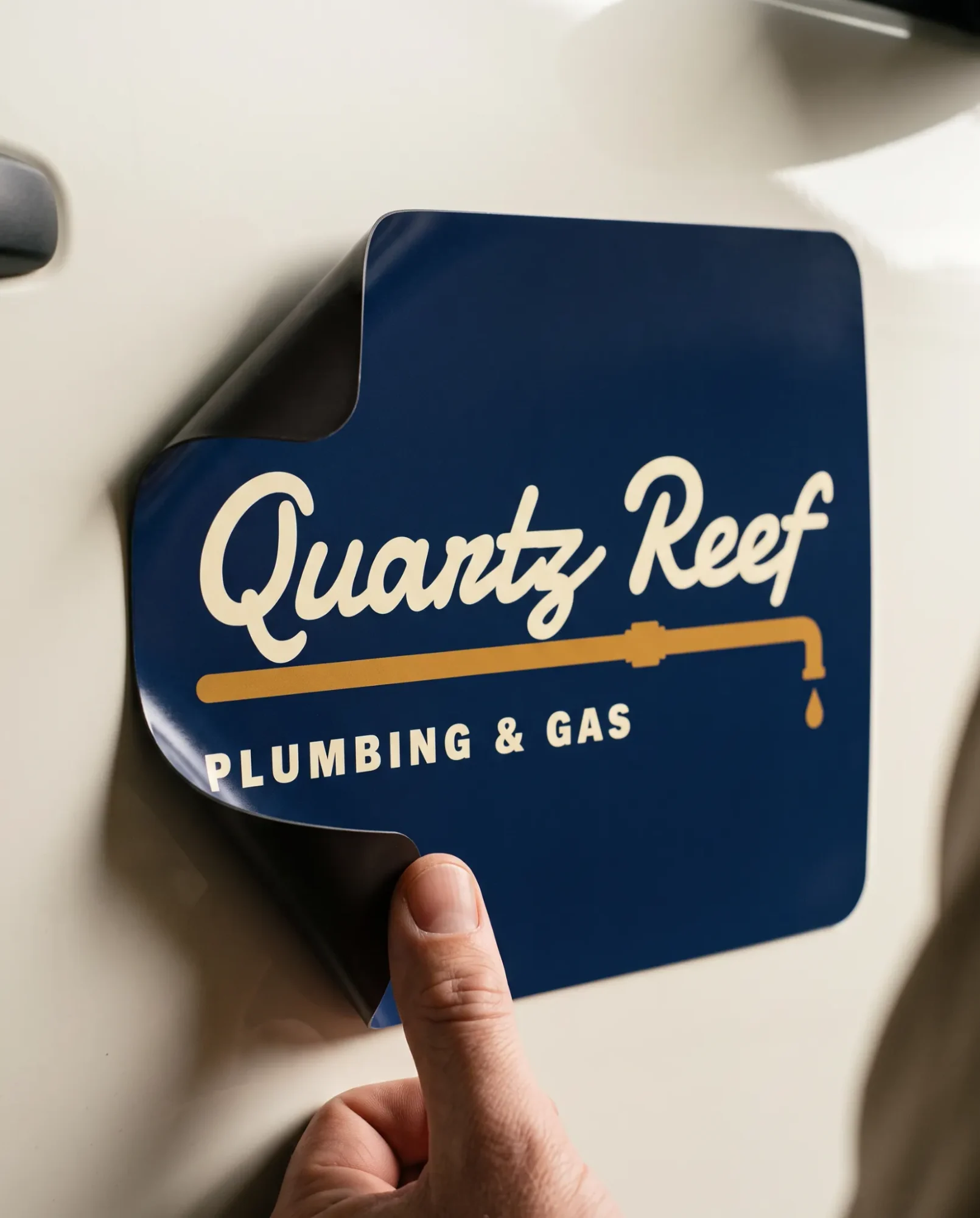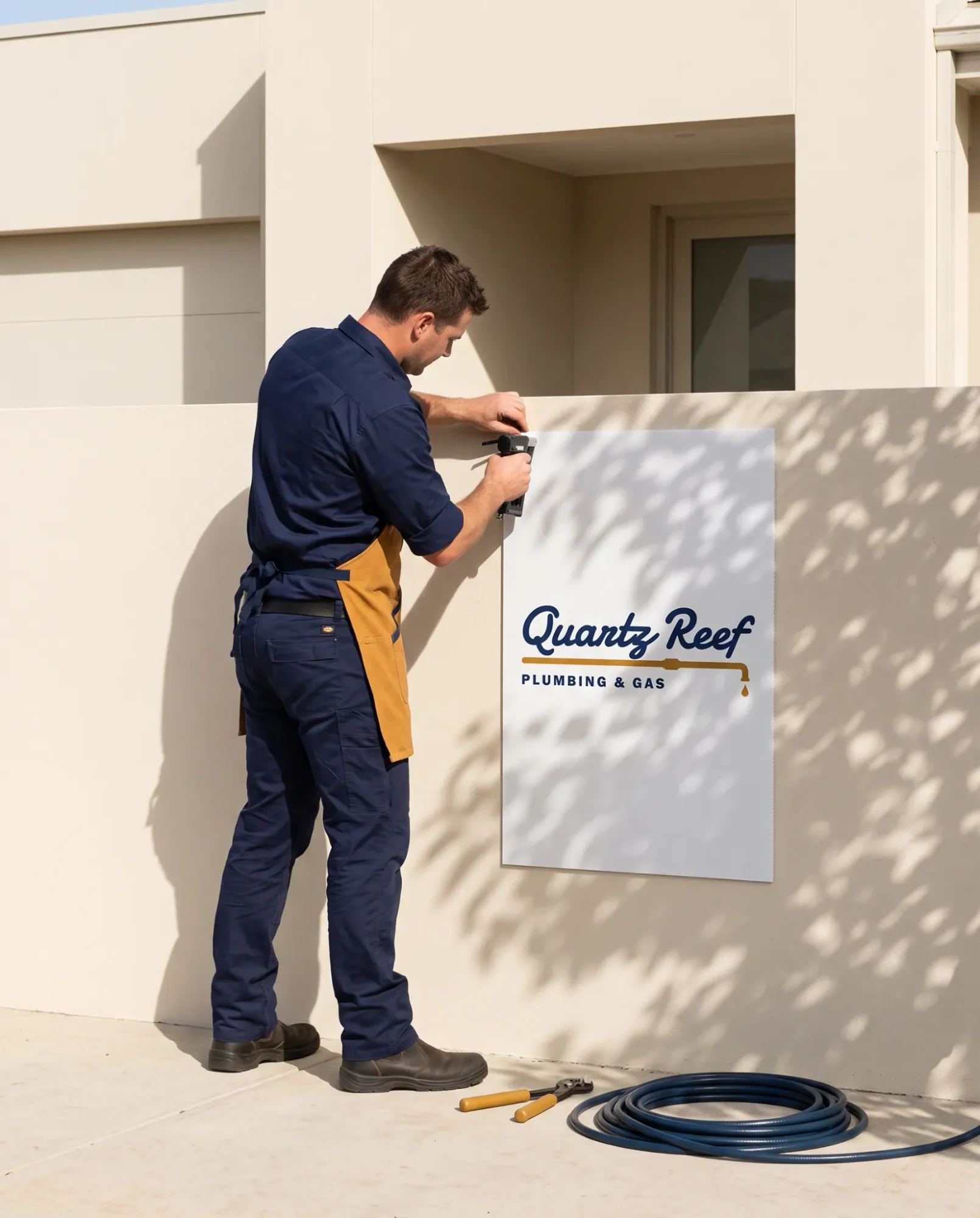
Cut vinyl lettering is one of the oldest and cleanest signage techniques around. There is no print and no background, just solid-colour letters and shapes applied directly to a surface.
It looks sharp, lasts for years outdoors and suits jobs where a printed sticker would look wrong. Here is how it works, where it shines, and when a printed graphic is the better choice.
What is cut vinyl lettering?
Cut vinyl lettering is computer-cut from rolls of solid-coloured vinyl film. Each letter, number or shape is cut and weeded (the background removed), then supplied on transfer tape so it goes onto the surface in one piece. The result looks painted on: no visible edges, no background rectangle and no sticker look.
Where cut vinyl lettering works best
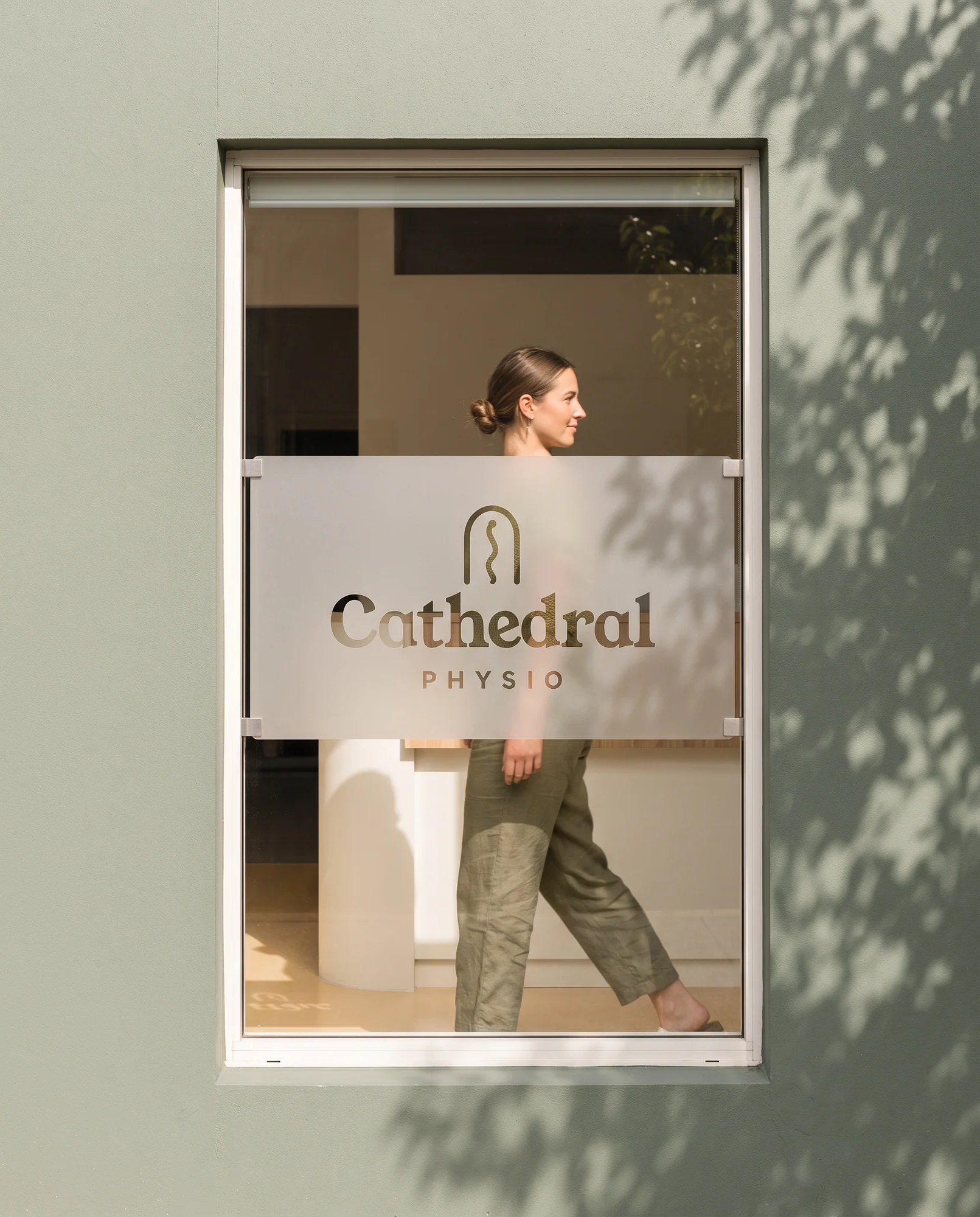
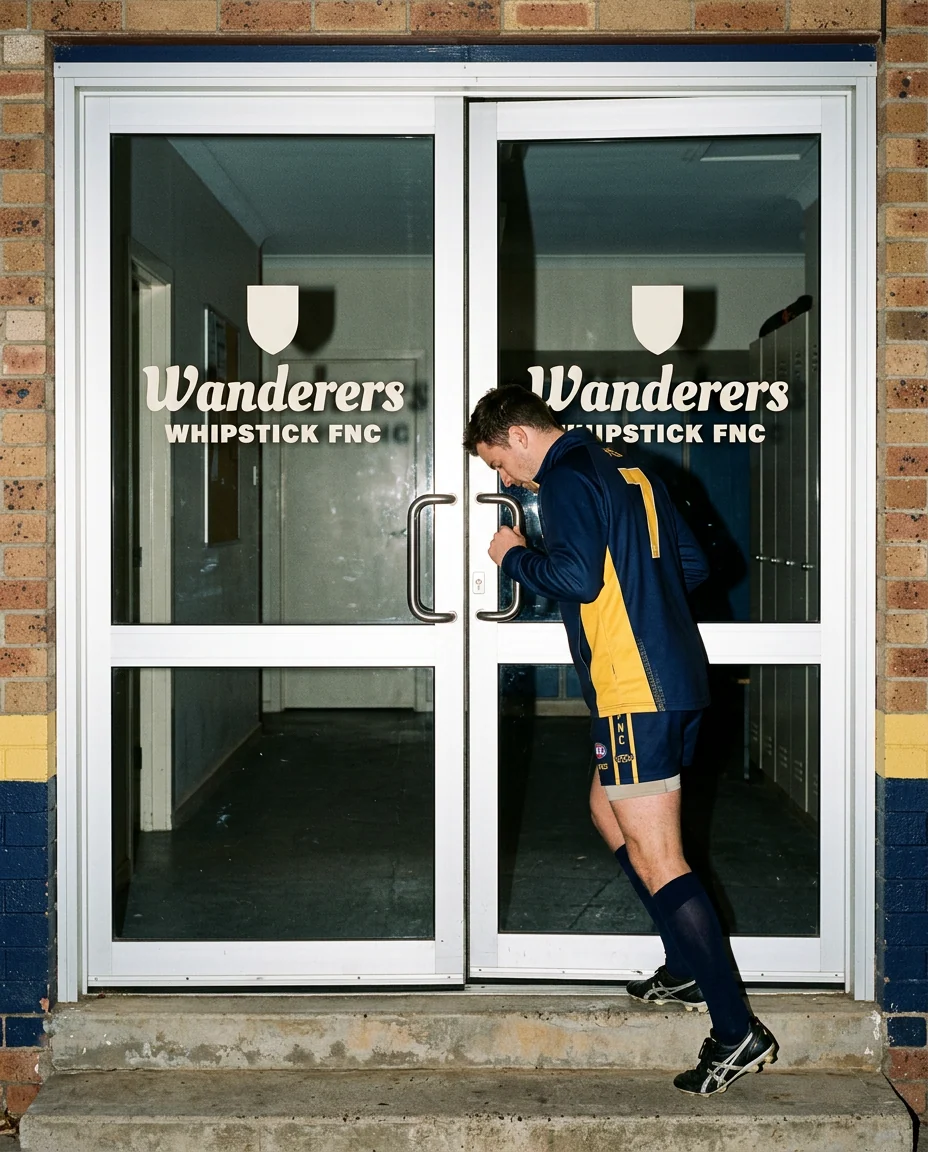
Shopfront glass: business name, trading hours, contact details and regulatory information. Our window lettering can be applied to the front of the glass or reverse-cut to go on the inside, and frosted vinyl adds privacy while keeping a clean look.
Vehicle doors and panels: a business name and phone number in one colour on car doors, caravans or trailer sides. For simple text, cut vinyl looks cleaner on a vehicle than a printed graphic.
Walls and surfaces: office branding, a line of words in reception, room labels and wayfinding text. On a smooth painted wall, the letters look like a signwriter painted them.
Boats: vessel names and registration numbers. Tell us it is for a boat and we will point you to the right vinyl.
Good to know: cut vinyl arrives on transfer tape, ready to put up. Small runs of lettering on glass or a vehicle door are easy to apply yourself on a clean, dry surface. For a large shopfront, many businesses use their builder or a signwriter they choose.
When printed graphics are better
Cut vinyl is one colour per layer. If your logo has gradients, photographs, detailed illustration or more than two or three colours, a printed graphic is the better option. Printed wall decals, die-cut stickers and printed window graphics handle full colour and complex artwork that cut vinyl cannot reproduce.

Plenty of shopfronts use both: a printed logo panel or promotion, with the name, hours and phone number in cut vinyl alongside it.
Cut vinyl or a printed graphic?
Three questions about your artwork and where it is going.
See every answer
Cut vinyl lettering. Solid-colour letters with no background, so they look painted on. Right for names, hours and phone numbers on glass, doors, walls and vehicles.
A printed graphic. Printed decals and window graphics handle gradients, photos and full-colour artwork that cut vinyl cannot reproduce.
Use both. A printed logo panel or promotion, with the name, hours and phone number in cut vinyl alongside it. Plenty of shopfronts do exactly this.
Colours and vinyl types
There are more than 80 solid colours to choose from, including metallics, fluorescents and reflective finishes. Standard sign vinyl suits flat surfaces like glass and painted walls and lasts for years outdoors. Cast vinyl conforms to curves and complex surfaces and lasts longer again, which makes it the pick for vehicles and anything with rivets or ridges.
If you are matching your brand, send your colour references and we will suggest the closest vinyl. Our guide to brand colours that work in print explains why solid colours usually look better than bright screen shades.
What drives the cost of cut vinyl lettering?
It is priced by size and complexity: the overall width and height, the number of characters and shapes, how fine the detail is, the number of colours (each one is a separate layer) and the type of vinyl. It is one of the most cost-effective kinds of long-lasting signage, and live pricing on each product page lets you try sizes and colours before you commit.
Before you order: measure the space the lettering needs to fit, whether that is the glass panel, the door or the wall area, and send us those sizes with your exact wording and colours. Check spelling and phone numbers twice, because every letter is cut exactly as supplied.
Before you order cut vinyl
Have these ready and the lettering is cut exactly right the first time.
Measure
Words and colours
Putting it up
What to put on shop glass
Keep it to what a passer-by needs: your name, what you do, your hours and one way to reach you. Big, simple lettering reads from across the street; a paragraph does not. Our guide to window signage ideas that bring people in has more, and opening hours decals are a quick way to get the basics on the door.
Ready when you are: vinyl decal lettering is priced live on the product page. Enter your size and colours, then upload your artwork or have us set out the lettering for you. You can see the rest of the range under signs and banners.